SONIA MELNIKOVA ART PHOTOGRAPHY

WABI-SABI MOMENT I WABI-SABI MOMENT II WABI-SABI MOMENT III
WABI-SABI MOMENT IV O-SA-ME-RU UNTITLED
YELLOW ROSE WABI-SABI MOMENT VII WABI-SABI MOMENT IX
 

“Teach me, O God, a blessing, a prayer on the mystery of a withered leaf...” — from a Jewish prayer

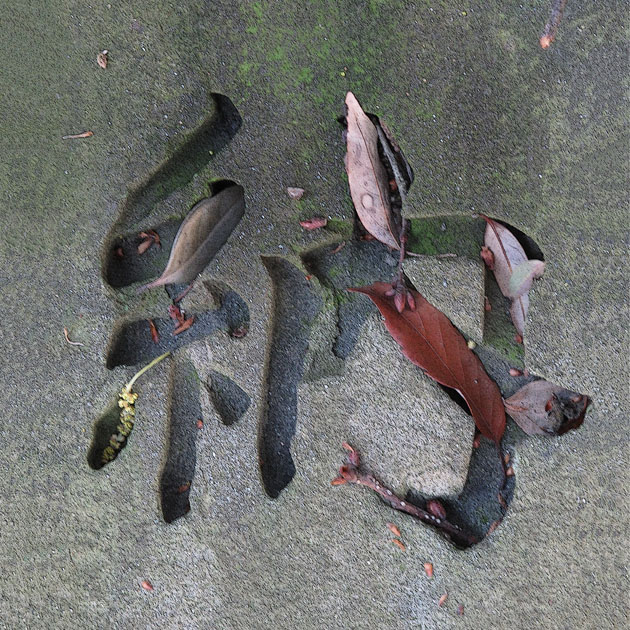
I look for grace, poetry and mystique in the most common of things and feel strong affinity with the Japanese philosophy and aesthetics of wabi sabi, with its focus on the transient nature of things, acceptance of their impermanence, and reverence for the beauty in old things. It accepts the natural cycle of growth, decay, and demise, and cherishes the fleeting nature of beauty in the physical world that reflects the irreversible flow of life in the spiritual world. The definition of wabi sabi is just as elusive as the beauty it reveres. The original meaning of the Japanese word wabi was sad, desolate and lonely, but poetically it has come to mean simple, nonmaterialistic, humble, tranquil, and in tune with nature. The word sabi connotes natural progression from growth to decay and could be translated as “bloom of time,” as well as “to grow old.” Eventually its meaning evolved into taking pleasure in things that are old and faded; the leaves that are falling; the muted colors and earthy aroma of a late fall forest. It encompasses the sort of somber longing and nostalgia I feel sometimes when I am trying to capture subtle reminders of time passing by on the forest floor, deserted beaches, or abandoned ghost towns—the remnants of our everyday, gradually descending into oblivion.

THE ELUSIVE POETRY OF WABI SABI: Art Photography by Sonia Melnikova-Raich, a solo exhibit at San Francisco Zen Center